
The Importance of Mentorship in Beauty
The beauty industry is experiencing a critical moment. As traditional apprenticeship models gain renewed relevance and formal education costs continue climbing, experienced professionals like you have become the backbone of industry development. Your expertise isn't just valuable—it's essential for bridging the significant skills gap that many salons across the UK and Europe are facing today.
Beauty industry mentoring goes far beyond teaching someone how to cut hair or apply makeup. It's about transferring decades of accumulated wisdom, from mastering client relationships to understanding the subtle art of colour theory. When you mentor, you're not just training an employee; you're cultivating the next generation of industry leaders who will carry forward the standards and traditions that make our industry exceptional.
The impact of quality mentorship extends throughout the entire beauty ecosystem. Newcomers who receive proper guidance are more likely to develop both technical excellence and business acumen, creating a ripple effect that elevates service standards across the board. This cross-generational knowledge transfer becomes even more critical as experienced professionals retire and new technologies reshape how we work.
Qualities of Effective Beauty Mentors
Becoming a successful hairdressing mentor or beauty industry guide requires more than technical expertise. The most effective mentors possess a unique combination of patience, communication skills, and genuine passion for developing others. They understand that teaching isn't about creating carbon copies of themselves, but about nurturing individual talents while instilling professional standards.
Effective beauty mentors demonstrate emotional intelligence, recognizing that each mentee learns differently and faces unique challenges. They're comfortable with vulnerability, sharing not just their successes but also the mistakes that taught them valuable lessons. This authenticity creates trust and encourages open dialogue about the real challenges of building a beauty career.
Great mentors also stay current with industry trends and technologies. They understand that while fundamental skills remain constant, techniques and tools evolve. By embracing continuous learning themselves, they model the adaptability that modern beauty professionals need to thrive in an ever-changing landscape.
Setting Up Mentorship Programs
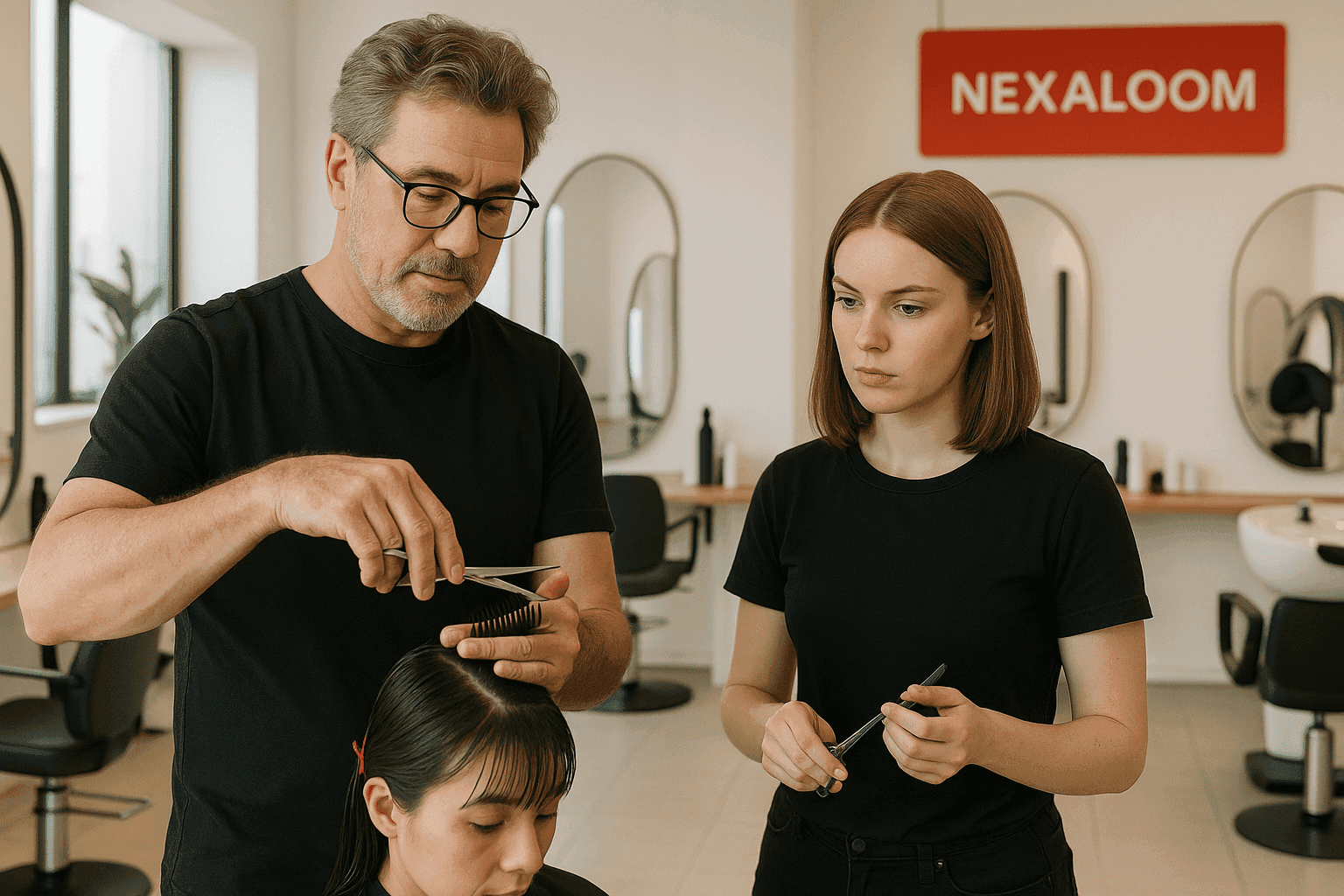
Creating a structured salon apprenticeship or mentorship program requires careful planning and clear objectives. Start by defining what you want to achieve—are you focused on developing technical skills, business knowledge, or both? Establishing measurable goals helps track progress and ensures both mentor and mentee remain aligned throughout the journey.
Consider implementing a formal framework that includes regular check-ins, skill assessments, and milestone celebrations. This structure provides security for newcomers while ensuring consistent progress. Many successful programs combine hands-on training with theoretical learning, incorporating both floor time with clients and dedicated education sessions.
Documentation plays a crucial role in effective mentorship programs. Create training manuals, checklists, and progress tracking systems that can be replicated across your business. This standardization ensures that all mentees receive consistent, high-quality guidance regardless of which senior professional is leading their development.
Teaching Technical and Business Skills
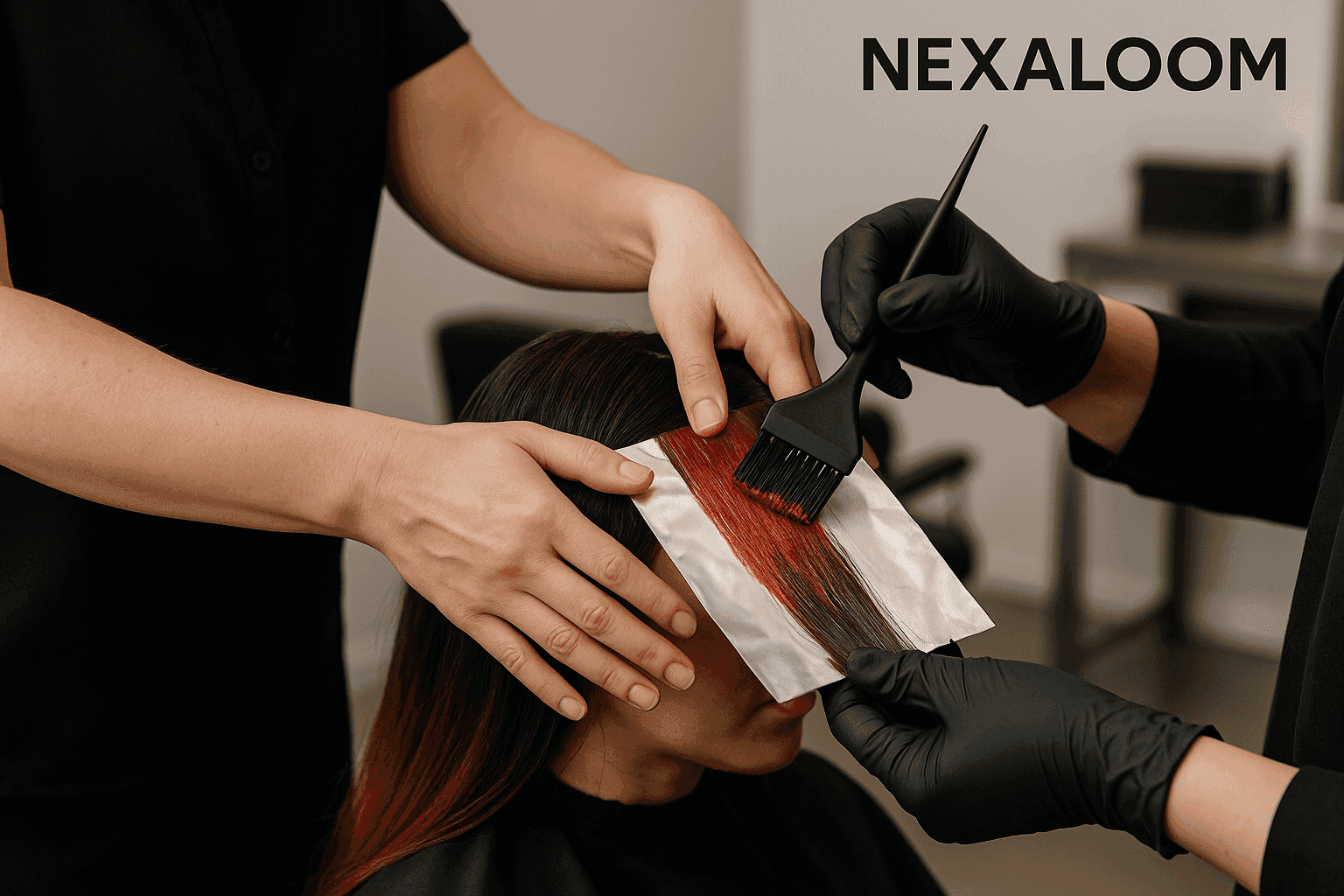
The foundation of beauty career development rests on mastering both technical competencies and business understanding. When teaching technical skills, break complex procedures into manageable steps. Demonstrate techniques multiple times, allowing mentees to observe before attempting. Remember that muscle memory develops through repetition, so provide ample practice opportunities in controlled environments.
However, technical skills alone don't create successful beauty professionals. Integrate business education into your mentorship approach. Teach consultation skills, time management, product knowledge, and retail techniques. Share insights about building client relationships, handling difficult situations, and maintaining professional boundaries. These soft skills often determine long-term career success more than technical ability alone.
Use real-world scenarios to reinforce learning. Instead of isolated skill practice, create situations that mirror actual salon experiences. This contextual learning helps mentees understand not just how to perform techniques, but when and why to apply them. It also builds confidence in their decision-making abilities.
Creating Growth Opportunities
Effective mentorship extends beyond basic training to include active career development support. Create pathways for advancement within your organization, showing mentees how they can progress from junior positions to senior roles. This might include opportunities to specialize in particular services, take on training responsibilities, or even develop entrepreneurial skills for future business ownership.
Encourage mentees to attend industry events, workshops, and continuing education programs. Support their participation in competitions or certification programs that enhance their credentials. These experiences broaden their perspectives and demonstrate your investment in their long-term success, not just immediate productivity.
Consider rotating mentees through different departments or specializations within your business. This exposure helps them discover their particular strengths and interests while developing a comprehensive understanding of salon operations. It also prevents knowledge silos and creates more versatile team members.
Building Industry Networks
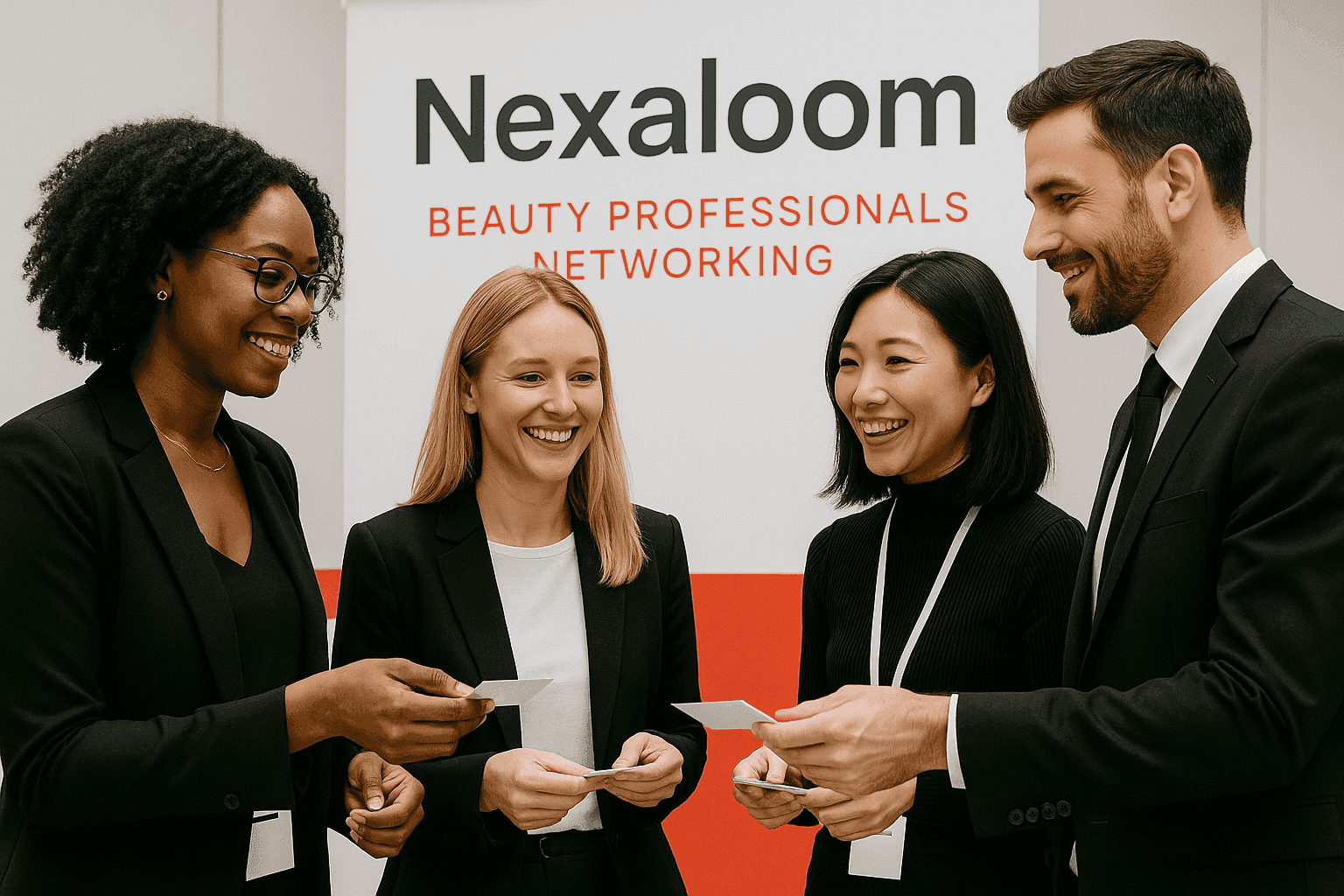
One of the most valuable gifts you can offer mentees is access to your professional network. Introduce them to suppliers, other salon owners, industry educators, and fellow professionals. These connections often prove invaluable as they advance in their careers, providing opportunities for collaboration, employment, or business partnerships.
Encourage mentees to build their own professional relationships through industry associations, social media groups, and professional events. Help them understand how networking differs from simply collecting contacts—it's about building genuine relationships based on mutual respect and shared interests.
Digital platforms have transformed networking opportunities in the beauty industry. Help mentees understand how to use social media professionally, showcase their work appropriately, and engage with industry conversations online. These digital skills become increasingly important for career advancement and business development.
The Business Benefits of Mentoring
While mentorship represents a significant investment of time and energy, the returns to your business can be substantial. Structured mentorship programs can reduce new employee turnover by up to 50% in service industries, creating stability and reducing recruitment costs. Well-trained team members also provide higher service quality, leading to improved client satisfaction and retention.
Mentorship develops internal talent pools, reducing reliance on external hiring for senior positions. This internal promotion capability strengthens team morale and provides clear career progression paths that attract high-quality candidates. It also ensures that promoted individuals understand your business culture and standards thoroughly.
The process of mentoring often reinvigorates experienced professionals, reminding them why they chose the beauty industry originally. This renewed passion typically translates into improved performance and job satisfaction among senior team members, creating positive effects throughout your organization.
Measuring Mentorship Success
Effective mentorship requires ongoing assessment and adjustment. Establish metrics that measure both technical progression and professional development. These might include skill assessments, client feedback scores, retail performance, and peer evaluations. Regular measurement helps identify areas where additional support may be needed.
Don't overlook qualitative measures of success. Monitor confidence levels, professional communication skills, and integration into team dynamics. Sometimes the most significant developments are difficult to quantify but crucial for long-term success. Regular feedback sessions with both mentees and clients can provide valuable insights into progress.
Consider long-term tracking of mentorship outcomes. How many of your mentees remain in the industry after two or five years? Do they achieve their career goals? Are they opening their own businesses or taking leadership roles elsewhere? This data helps refine your mentorship approach and demonstrates the lasting impact of your investment.
Overcoming Common Mentorship Challenges
Even the most well-intentioned mentorship programs face obstacles. Time constraints represent the most common challenge, as busy salon schedules leave limited opportunities for dedicated training. Address this by integrating learning into daily operations rather than viewing it as separate activity. Use quieter periods for intensive training and busier times for observation and gradual skill building.
Generational differences can create communication barriers between mentors and mentees. Younger professionals may prefer different learning styles or have different career expectations than previous generations. Embrace these differences as opportunities to expand your own perspective while adapting your mentoring approach to individual needs.
Managing expectations requires ongoing attention. Both mentors and mentees may have unrealistic timelines for skill development or career progression. Regular goal-setting sessions help maintain realistic expectations while ensuring steady progress toward long-term objectives.
The Future of Beauty Industry Mentoring
As the beauty industry continues evolving, mentorship approaches must adapt to new realities. Digital tools now enable remote training components, allowing experienced professionals to share expertise beyond geographical limitations. Virtual reality and augmented reality technologies are beginning to supplement traditional hands-on training methods.
The rise of social media influencers and online beauty educators has changed how newcomers learn about the industry. Modern mentors must help mentees navigate this information abundance while distinguishing between entertainment content and professional education. Your role includes helping them develop critical thinking skills about industry information sources.
Sustainability and ethical practices are becoming increasingly important to newer generations entering the beauty industry. Incorporate these values into your mentorship approach, demonstrating how established businesses can adapt to changing consumer expectations while maintaining profitability and professional standards.
Your commitment to developing the next generation of beauty professionals creates lasting impact far beyond your immediate business. Through thoughtful mentorship, you're not just training employees—you're shaping the future of an industry you love. Whether you're running a single salon or managing multiple locations, tools like Nexaloom can help streamline your operations, giving you more time to focus on what matters most: nurturing talent and building lasting professional relationships that elevate the entire beauty industry.