

New UK Cosmetic Regulations Coming August 2026
What Every UK Beauty Professional Must Know and Do Right Now
— Nexaloom

If you are a hairdresser, nail technician, beauty therapist, makeup artist or salon owner in the UK — new cosmetic regulations are coming into effect between July and August 2026 that could directly affect the products you use, the services you offer and how you label and sell retail products in your business.
This guide breaks down exactly what is changing, what it means for you and what you need to do before the deadlines hit.
The UK Government has introduced significant amendments to the UK Cosmetics Regulation — and the clock is ticking. Here is everything you need to know.
What Is Changing?
The UK Government adopted Statutory Instrument SI 2026/23 in January 2026, introducing targeted amendments to the UK Cosmetics Regulation. These changes focus on three key areas:
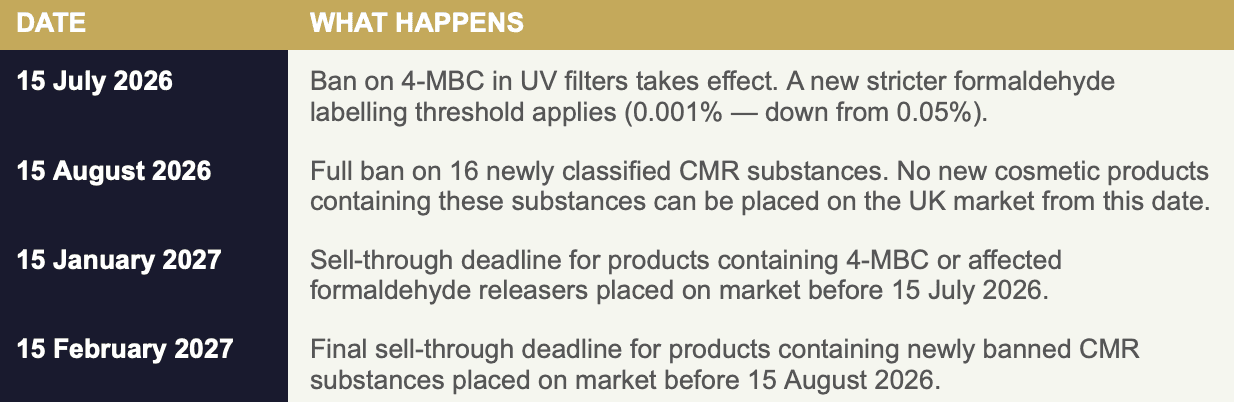
The banning of certain carcinogenic, mutagenic or reproductive toxicity (CMR) substances from cosmetic products
A full ban on 4-MBC (4-Methylbenzylidene Camphor), a UV filter found in some sunscreen and SPF-containing beauty products
New stricter labelling requirements for formaldehyde-releasing preservatives used in cosmetic products
These are not minor tweaks. They are legally binding changes with defined deadlines — and any product not meeting the new standards will need to be withdrawn from sale.
The Key Dates You Cannot Miss
There are four critical compliance deadlines every beauty professional needs to be aware of:
What Does This Mean for Beauty Professionals?
Nail Technicians

This is one of the most directly affected groups. Some nail products — particularly gel systems and UV-curing products — may contain TPO (Trimethylbenzoyl diphenylphosphine oxide), one of the newly banned CMR substances. From 15 August 2026, any nail product containing TPO cannot be newly placed on the UK market.
What you should do:
Check the ingredient lists of your gel, acrylic and UV nail products
Contact your suppliers to confirm whether any of your products contain TPO or other newly banned CMR substances
Stock up on compliant alternatives before the August deadline
Use up any non-compliant products already purchased before February 2027
Hair Professionals

Hair colourants, oxidising systems and fragranced hair products may be affected. The new regulations flag several substances particularly relevant to these product categories — including certain aromatic diamines and organotin compounds.
What you should do:
Review ingredient lists on all colour, bleach and chemical treatment products
Ask your product distributor or brand rep for a compliance update
Switch to compliant formulations ahead of the August 2026 deadline
Beauty Therapists and Skincare Professionals
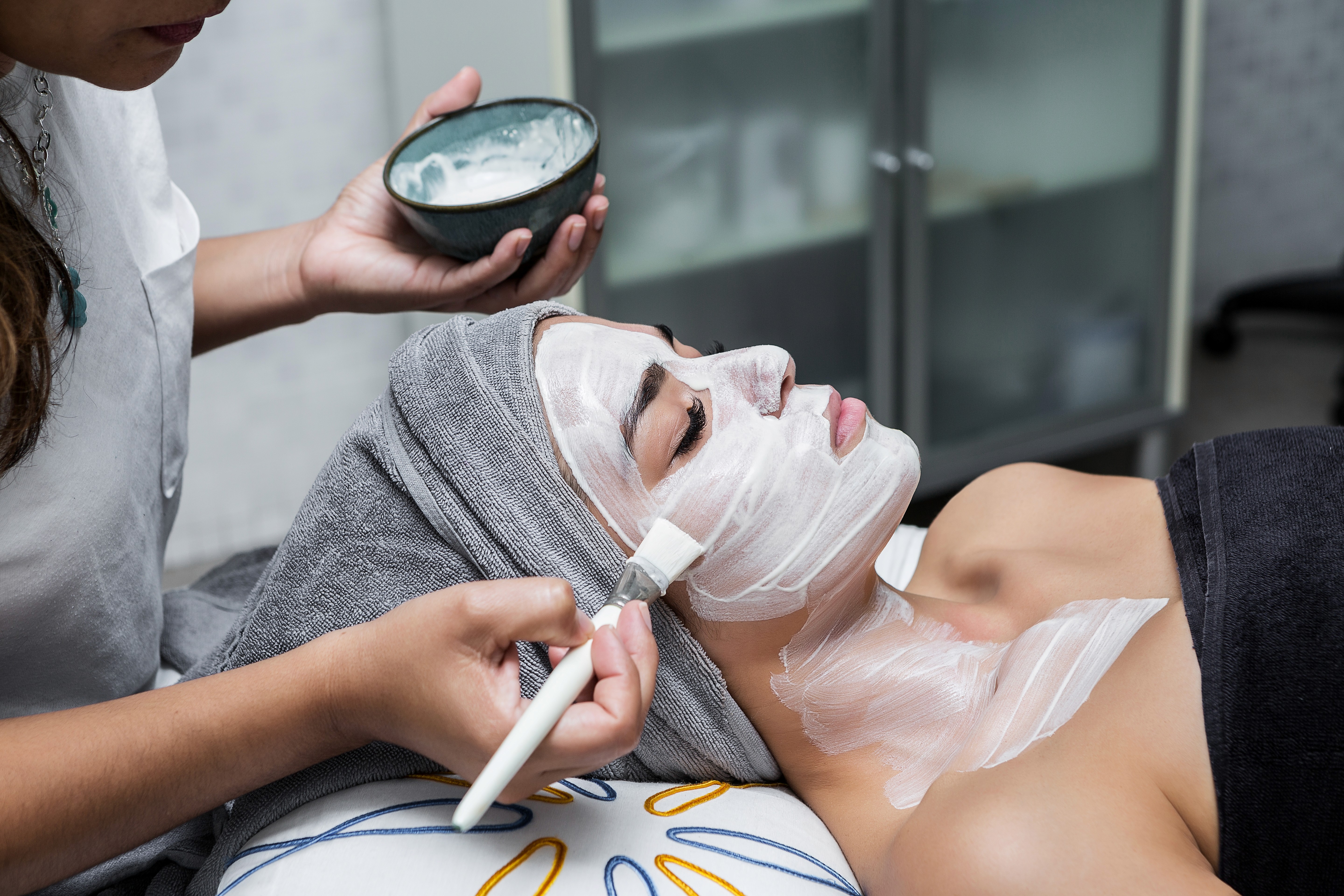
SPF and sunscreen-containing products are directly in scope due to the 4-MBC ban. If you retail or use any sun care products containing 4-Methylbenzylidene Camphor as a UV filter, these cannot be newly supplied after 15 July 2026.
Preserved skincare products that release formaldehyde at levels above 0.001% will also require updated labelling from 15 July 2026.
What you should do:
Audit your retail and treatment product inventory for SPF-containing items
Check whether any preserved products require updated labelling
Contact your product brands or suppliers for guidance on compliance
Makeup Artists
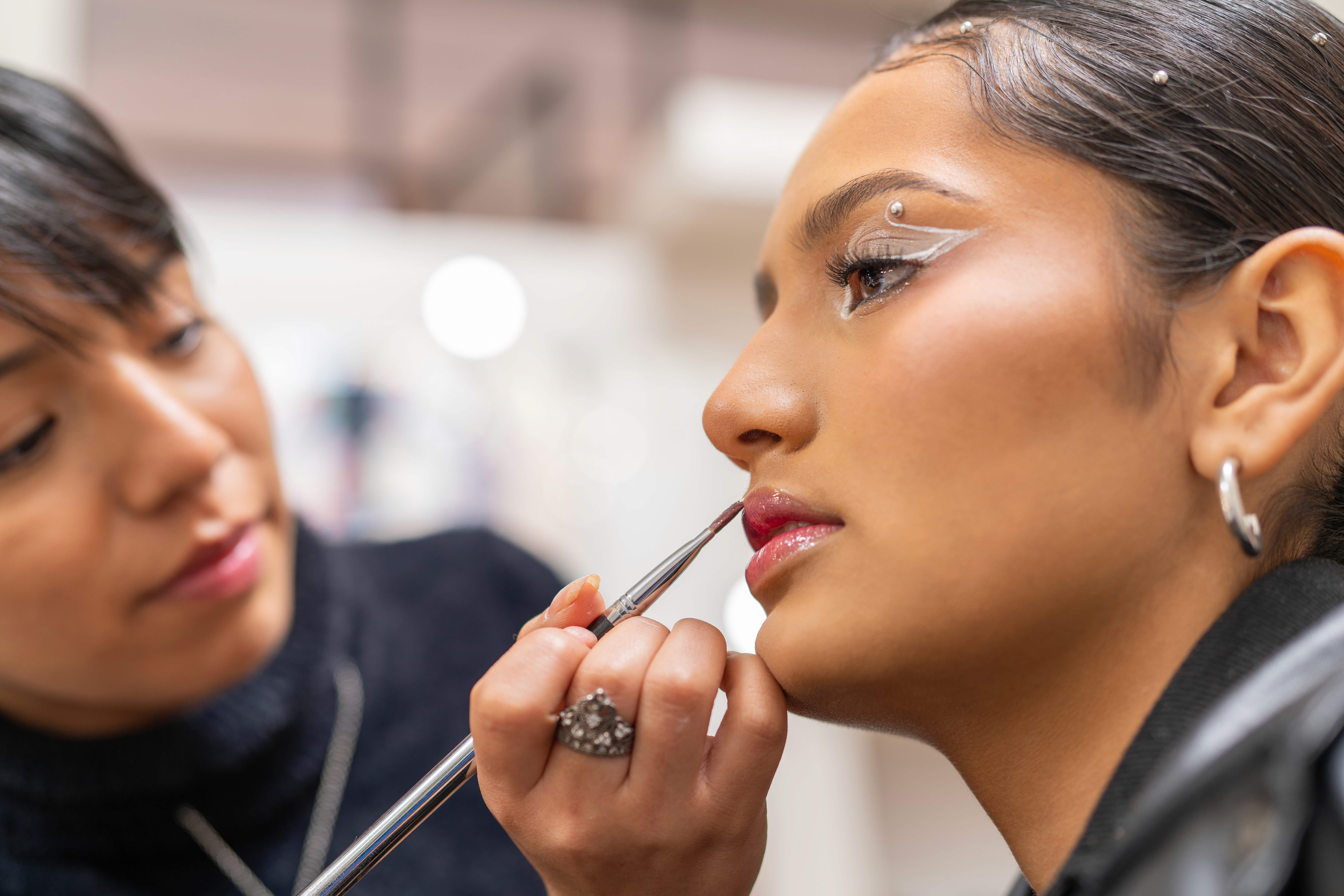
Colour cosmetics and fragranced formulations are flagged as potentially affected categories. Some photoinitiators and industrial intermediates now classified as CMRs may be present in certain cosmetic formulations.
What you should do:
Review the ingredient lists of your professional kit products
Contact brand representatives to confirm product compliance
Plan kit updates ahead of the August 2026 deadline where needed
What About Northern Ireland?

It is important to note that these changes apply to Great Britain — meaning England, Scotland and Wales. Northern Ireland remains aligned with EU cosmetic legislation under the Windsor Framework, meaning different rules and deadlines apply there.
If your business operates across both markets, you will need to manage compliance for both regulatory frameworks independently.
A New Licensing Framework for Aesthetic Procedures
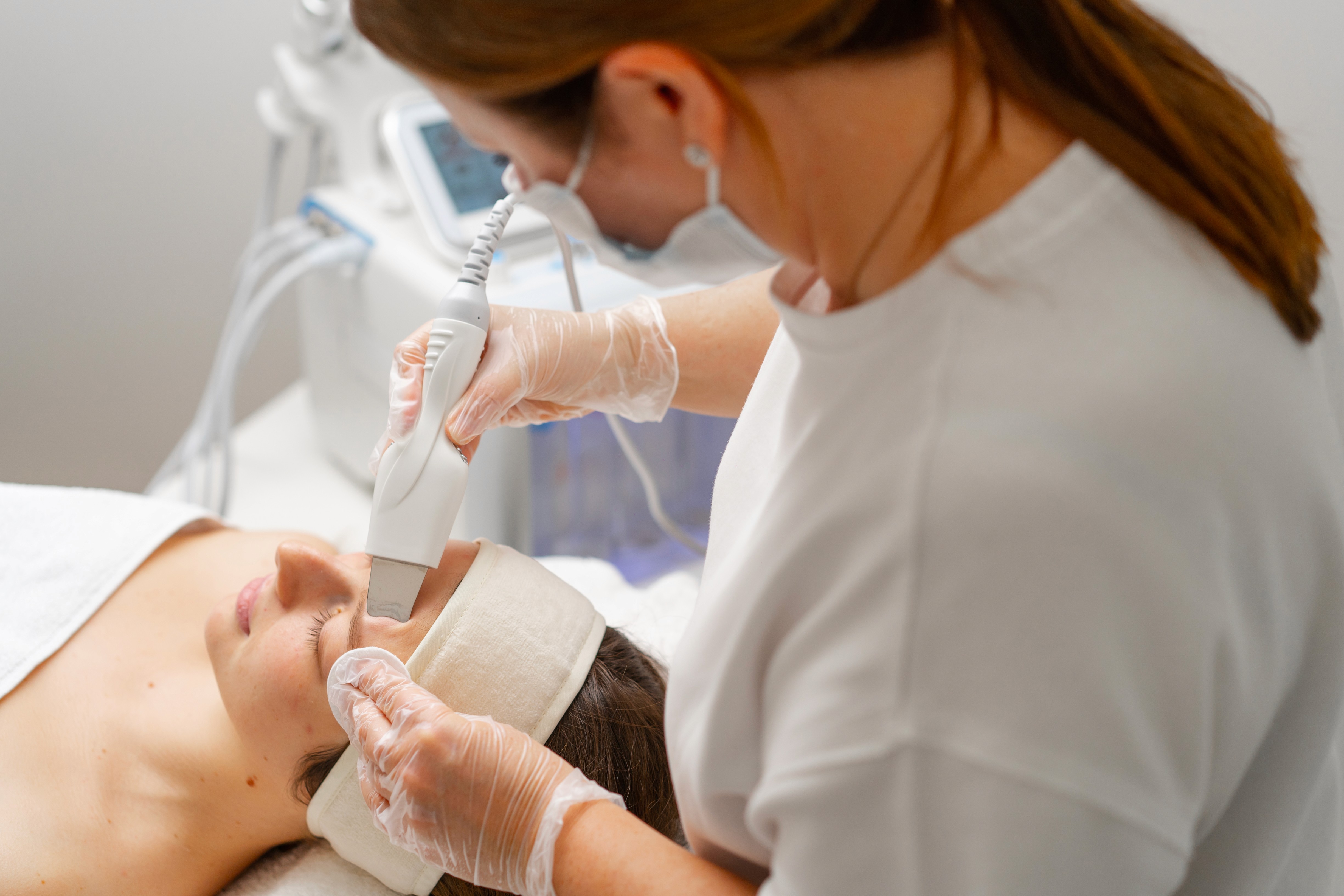
Separately from the product regulations, the UK Government is also developing a licensing framework for non-surgical cosmetic procedures in England. This is a risk-based system using green, amber and red categories:
Green procedures — lower risk, subject to a lighter licensing scheme
Amber procedures — medium risk, requiring more formal licensing conditions
Red procedures — highest risk (such as non-surgical BBLs), restricted to qualified healthcare professionals only
Scotland has already passed legislation requiring certain higher-risk procedures to be carried out alongside healthcare professionals in registered settings, with a ban on under-18s accessing certain treatments.
While there will be no immediate changes for most beauty professionals, this signals a clear direction of travel — higher standards, clearer qualifications and stronger accountability across the entire industry.
If you offer any aesthetic or injectable treatments, now is the time to review your training qualifications and ensure they align with emerging national standards. Professional bodies such as the NHBF, British Beauty Council and BABTAC are your best source of ongoing guidance.
Your Action Checklist Before August 2026

Do This Now
Audit your entire product inventory — treatments, retail and professional kit
Check ingredient lists for TPO, 4-MBC, formaldehyde-releasing preservatives and other CMR substances
Contact your product suppliers and brand representatives for compliance updates
Do This Before 15 July 2026
Replace any 4-MBC-containing sun care or SPF products with compliant alternatives
Ensure any products with formaldehyde-releasing preservatives carry updated labelling
Stop ordering non-compliant products from distributors
Do This Before 15 August 2026
Ensure no newly prohibited CMR substances are being used in any treatments or retail products
Switch to fully compliant product ranges across all services
Brief any team members on the changes and updated product protocols
Do This Before February 2027
Sell through or responsibly dispose of any remaining non-compliant stock
Complete your full transition to compliant product ranges
Where to Get Help and Stay Updated
Navigating regulatory change as an independent beauty professional can feel overwhelming — especially when you are also running a business, managing clients and keeping up with the latest trends.
Here are the best sources to keep you informed:
National Hair and Beauty Federation (NHBF) — nhbf.co.uk
British Beauty Council — britishbeautycouncil.com
BABTAC (British Association of Beauty Therapy and Cosmetology) — babtac.com
UK Government legislation portal — legislation.gov.uk
Your product brand and distributor representatives
Run Your Beauty Business With Confidence

Staying on top of regulations is just one part of running a successful beauty business in 2026.
Nexaloom helps you manage your bookings, clients, team and daily operations — all in one place — so you can focus on delivering the best service for your clients.
Download Nexaloom Partner today.
Disclaimer: This blog post is for informational purposes only and does not constitute legal or regulatory advice. Always consult official government sources and your professional body for the most up-to-date guidance on compliance requirements.